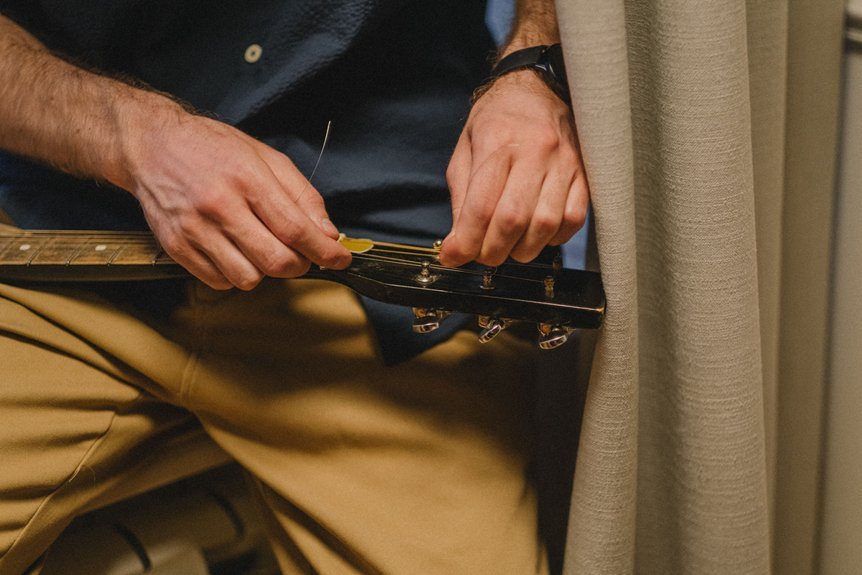
How Much Does It Cost to Get Your Guitar Restrung
Restringing a guitar involves labor time, string type, and any setup tasks beyond the basics. Costs vary by instrument, with electrics typically lower than acoustics and classical guitars. Budget ranges reflect labor and materials, while higher-end shops add tuning checks, nutwork, and intonation adjustments. The total can rise with specialized strings or expedited service. To gauge value, one should compare what each option includes and anticipate potential follow-up visits that ensure stable intonation after restringing.
What Affects Guitar Restringing Costs
Several factors determine the cost of restringing a guitar. Material choice, string type, and tension affect labor time and consumables. Instrument condition influences setup considerations, neck relief, and truss rod adjustments. Labor rates vary by technician and locale. Additional services, such as cleaning or nut/file adjustments, contribute to total. Proper guitar maintenance and aftercare guidance optimize longevity. Pricing aligns with value and precision.
Budget Ranges by Guitar Type
Budget ranges for guitar restringing vary by instrument type, reflecting differing string sets, hardware complexity, and setup requirements.
Electric guitars typically cost less than acoustics due to simpler hardware, while classical models demand specialized strings and tuning stability, increasing labor.
Budget conscious players seek value without compromise.
Quality focused shops justify premium by service accuracy, materials, and instrument-specific adjustment thoroughness.
Where to Save Without Losing Quality
To save without sacrificing quality, players should differentiate between essential labor, instrument-specific adjustments, and material costs.
Strategic choices focus on restringing materials and appropriate service timing.
Prioritize durable strings for tone stability, avoid premium options unless necessary, and schedule tuning checks to prevent unnecessary repeat visits.
Precise budgeting emerges from cataloging tasks, anticipating wear, and aligning maintenance with performance goals.
How to Pick the Right Service for Your Setup
Choosing the right service for a guitar setup requires evaluating scope, equipment, and technician qualifications to ensure the instrument meets performance goals. The evaluator should prioritize sound quality and setup customization, comparing calibration methods, fretwork options, intonation accuracy, and warranty terms. Objective metrics and transparent pricing reduce risk, aligning service choice with desired playability, tone consistency, and future adjustment ease.
Frequently Asked Questions
Do I Need Professional Setup After Restringing?
A professional setup is not strictly required after restringing, but improves intonation and playability. The common approach evaluates restring timing and maintenance scope, ensuring neck relief and truss rod adjustments are checked for optimal performance.
How Long Does Restringing Typically Take?
A typical restringing duration averages 20–60 minutes, depending on instrument and pegs. Approximately 60% of players report no further setup necessity. The process is measured, precise, and aims for stable intonation and tension control, with minimal disruption.
Should I Replace All Strings or Only Damaged Ones?
A full restring is advisable; replacing all strings ensures balanced string tension and reliable intonation. If partial replacement is considered, replacement must match gauge and tension, followed by an intonation check to confirm precise pitch across the fretboard.
Do Beginners Need a Full Setup After Restringing?
Restringing basics: beginners generally do not require a full professional setup afterward, though adjustments may improve intonation and playability. The anecdote: a guitarist notes improvement after minor truss-rod and truss, akin to subtle tension shifts. discussion ideas, cost comparison.
Can I Restring My Guitar Myself at Home?
Yes, one can restring a guitar at home. It covers restringing basics and a tool checklist, presented in a technical, concise manner suited for freedom-seeking players. Mastery emphasizes patience, proper winding, neck tension awareness, and secure bridge saddles.
Conclusion
Restringing costs hinge on guitar type, string choice, labor, and added services like intonation or cleanup. Electric guitars generally cost less than acoustics, with classical setups often the highest due to specialized strings. Budget ranges vary from about $10–25 for basics to $60–100+ for comprehensive services. To optimize value, prioritize essential labor, select appropriate strings, and schedule follow-up tuning checks to minimize repeats. The result is a precise, instrument-ready setup, like a well-tuned engine ready to roar.